







South Africa’s education system is a dynamic, ever-evolving space filled with challenges, opportunities, and the potential for profound transformation.
At the heart of this system lies a document that many have heard of but few truly understand—the Personnel Administrative Measures (PAM). For educators, administrators, and policymakers, PAM is both a guide and a lifeline, offering structure in an otherwise complex environment.
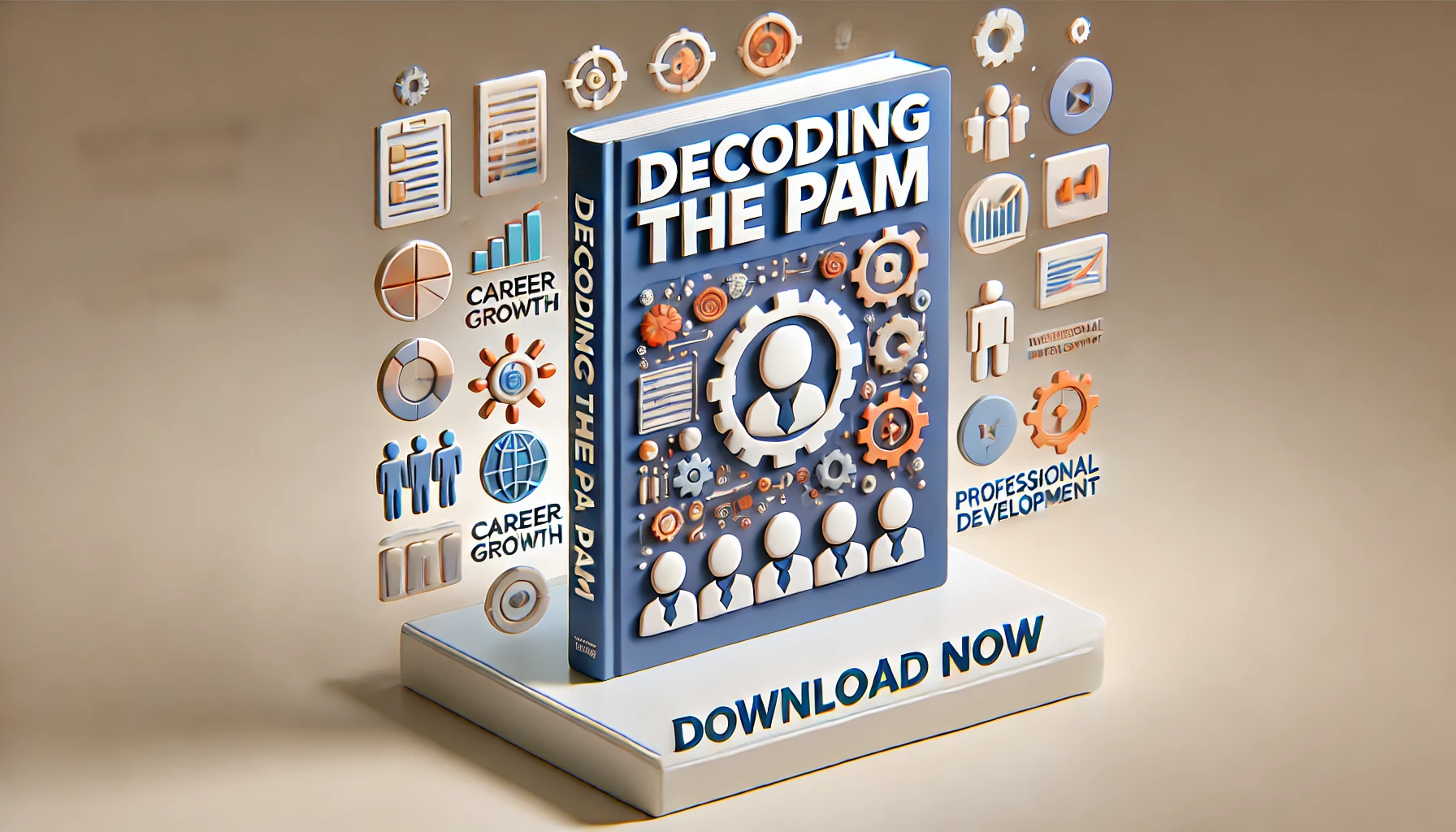
But here’s the catch: PAM, while essential, often feels like an overwhelming sea of policies and procedures. It’s detailed, intricate, and—let’s face it—not exactly light reading. That’s where the need for a fresh perspective comes in. Enter the eBook, Decoding the PAM: A Comprehensive Guide for Educators and Administrators, which I had the privilege of authoring. This isn’t just another summary; it’s a tool to empower educators to thrive within the framework of PAM.
Why PAM Matters
To truly understand why PAM is significant, we need to step into the shoes of those it serves. For educators, PAM lays the foundation for their roles, career progression, and rights. It ensures that every teacher, whether in a bustling urban school or a remote rural classroom, has clear guidelines to follow. For administrators, PAM provides the structure needed to manage schools effectively, from resource allocation to grievance procedures.
In short, PAM is about fairness, equity, and consistency. It’s the policy backbone that keeps our education system running. But here’s the thing—knowing PAM exists and applying it effectively are two very different things.
Bridging the Gap
One of the most common concerns I’ve heard from educators is this: “PAM is too complicated. I don’t know where to start.” That sentiment is valid. Policy documents are often written in dense, technical language, making them inaccessible to those who need them most. This disconnect inspired me to create Decoding the PAM—a practical, user-friendly guide that doesn’t just explain PAM but shows how to use it.
Imagine having a clear roadmap for:

- Understanding your rights and responsibilities.
- Mapping your career progression as an educator.
- Navigating administrative challenges like leave applications and performance evaluations.
- Building inclusive classrooms that support all learners.
This isn’t just wishful thinking; it’s entirely achievable with the right tools and resources.
Simplifying Complexity
One of my favorite parts of the eBook is how it simplifies the PAM framework. For instance, post provisioning—a term that can make even seasoned educators pause—is broken down into digestible steps. How are posts allocated? What factors influence resource distribution? These are the kinds of questions we answer in plain language.
And let’s not forget about performance management systems like QMS and PMDS. While these systems are crucial for professional development, they’re often viewed as bureaucratic hurdles. By providing templates, checklists, and real-world examples, we demystify these processes, turning them into opportunities for growth rather than sources of stress.

Empowering Educators and Administrators
The heart of Decoding the PAM isn’t just policy—it’s people. It’s about empowering educators to feel confident in their roles, administrators to lead with clarity, and learners to benefit from a well-structured system. The tools provided in the eBook, like workload calculators and grievance templates, are designed to save time, reduce frustration, and create a sense of purpose.
Inclusivity is another key theme. South Africa’s diverse learner population requires an education system that adapts to their needs. From supporting learners with disabilities to fostering equity in resource allocation, PAM provides the framework. Our job is to make that framework accessible and actionable.
The content on EduFeed24 is for informational and educational purposes only. Always consult relevant policies, laws, or professional advice for specific matters. For more information, please read our full Disclaimer.
A Call to Action
The time to act is now. PAM isn’t just a policy; it’s a tool for transformation. But for it to work, we need to understand it, embrace it, and use it to create positive change. Whether you’re an educator in the classroom, a principal managing a school, or a policymaker shaping the future, PAM has something to offer you.
So, here’s my challenge: Take the first step. Learn what PAM means for you. Use the tools and resources in Decoding the PAM to simplify your journey. Share your knowledge with colleagues. And above all, remember that every small action contributes to a larger movement—one that aims to uplift South Africa’s education system for generations to come.
Conclusion: The Bigger Picture
In my role as an advocate for education reform, I’ve seen firsthand the transformative power of clarity and empowerment. When educators and administrators understand their roles and responsibilities, they lead with confidence. When learners are supported by a system that prioritizes equity, they thrive. PAM, while complex, holds the blueprint for this transformation.
Let’s not see PAM as a challenge but as an opportunity. Let’s decode it, apply it, and make it work for everyone. Because the future of our education system depends on it—and on us.
Stay Connected with EduFeed24
Thank you for exploring this resource on EduFeed24. We are dedicated to simplifying educational resources and empowering learners, educators, and stakeholders in South Africa’s education sector. Be sure to stay connected with us for more insights, tips, and resources tailored to meet your needs.
Explore More from EduFeed24
PodcastYouTubeFreebiesShopPrivacyDisclaimer
Contact Us
For queries or support, email us at blog@edufeed24.co.za
Together, let’s continue to shape a brighter future for education!
EduFeed24 – Simplifying Educational Resources.